For businesses that rely on trucks, vans, and commercial vehicles, summer can be one of the busiest—and most demanding—times of the year. Landscaping companies, contractors, delivery services, municipalities, utility crews, and countless other industries depend on their fleet every day to keep operations running smoothly. When temperatures climb, so does the stress placed on every vehicle.
Unlike personal vehicles, work trucks and fleet vehicles often spend long hours on the road, idle for extended periods, carry heavy loads, or tow equipment. These conditions accelerate wear on critical components and increase the likelihood of unexpected breakdowns. A well-planned summer fleet vehicle maintenance program helps reduce costly downtime, extend vehicle life, and keep employees safely on the road.
Preventative maintenance isn’t simply another expense—it’s an investment that protects productivity and helps avoid repairs that can cost far more than routine service.
Summer Places Extra Demands on Fleet Vehicles
Heat affects nearly every mechanical system on a vehicle. Engines run hotter, cooling systems work harder, fluids break down more quickly, and tires experience higher operating temperatures.
Commercial vehicles face even greater challenges because they often:
- Travel significantly more miles than personal vehicles
- Carry heavy cargo or equipment
- Operate in stop-and-go traffic
- Idle for long periods
- Tow trailers or machinery
- Work in dusty construction or agricultural environments
These demanding conditions make regular inspections even more important during the summer months.
Prioritize the Cooling System
One of the leading causes of summertime breakdowns is an overheating engine. Because work trucks often operate under heavy loads, the cooling system should be one of the first areas inspected.
A summer inspection should include:
- Coolant level and condition
- Radiator condition
- Cooling fans
- Radiator hoses
- Water pump
- Drive belts
Even a small coolant leak or weakened hose can become a major problem during a long workday.
If one vehicle overheats, it doesn’t just require repairs—it can delay projects, disappoint customers, and interrupt an entire day’s schedule.
Inspect Tires Frequently
Fleet tires experience constant abuse from heavy loads, rough job sites, curbs, and long highway miles.
During summer maintenance, inspect every tire for:
- Proper inflation
- Uneven tread wear
- Sidewall damage
- Embedded nails or debris
- Adequate tread depth
Underinflated tires generate excessive heat, increasing the likelihood of blowouts. Maintaining proper tire pressure also improves fuel economy and extends tire life.
Don’t forget to inspect spare tires as well.
Keep Engine Oil Fresh
Commercial vehicles often qualify as operating under “severe service,” meaning engine oil should typically be changed more frequently than vehicles used only for personal transportation.
Fresh oil helps:
- Reduce friction
- Remove heat
- Protect internal engine components
- Improve fuel efficiency
Vehicles that tow trailers or spend hours idling may require shorter oil change intervals than the manufacturer’s normal maintenance schedule.
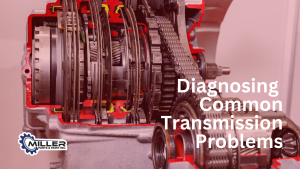
Monitor Transmission Health
Few repairs are more expensive than replacing a commercial transmission.
Heavy hauling and towing create significant heat inside the transmission, making fluid condition especially important.
Inspect for:
- Proper fluid level
- Clean, bright transmission fluid
- Burnt odor
- Delayed or harsh shifting
- Cooler line leaks
If your fleet regularly tows equipment or trailers, additional transmission cooling may be worth considering.
Test Batteries Before They Fail
Although batteries often fail during winter, summer heat is frequently what causes the damage.
Fleet vehicles often experience:
- Frequent starts and stops
- Long idle periods
- Heavy electrical accessory use
- High under-hood temperatures
Testing batteries before failure helps avoid unexpected downtime that can leave employees stranded or delay customer service.
Also inspect battery terminals for corrosion and ensure cables remain tight.
Don’t Ignore the Braking System
Work trucks frequently operate with heavier loads than passenger vehicles, placing additional demands on the braking system.
Routine inspections should include:
- Brake pad thickness
- Rotor condition
- Brake fluid level
- Brake hoses
- Parking brake operation
Addressing brake wear early improves safety while reducing the likelihood of more expensive repairs later.
Inspect Suspension and Steering Components
Construction sites, gravel roads, and repeated heavy loads accelerate suspension wear.
Look for signs of:
- Worn shocks or struts
- Loose steering
- Damaged ball joints
- Worn tie rods
- Broken leaf springs
- Uneven tire wear
Proper suspension maintenance improves handling, protects tires, and provides better vehicle stability under load.
Replace Air Filters Regularly
Many fleet vehicles operate in dusty environments where engine air filters become dirty much faster than normal.
A clogged air filter can:
- Reduce engine performance
- Lower fuel economy
- Increase engine wear
- Restrict airflow
Inspect air filters regularly during summer and replace them whenever they become excessively dirty.
Develop a Preventative Maintenance Schedule
Rather than waiting for problems to appear, successful fleet managers rely on scheduled maintenance.
A preventative maintenance program should include:
- Regular oil changes
- Cooling system inspections
- Tire rotations and pressure checks
- Brake inspections
- Fluid level monitoring
- Battery testing
- Scheduled transmission service
Keeping accurate service records also helps identify recurring issues before they become major failures.
Train Drivers to Spot Early Warning Signs
Drivers are often the first to notice developing mechanical problems.
Encourage operators to report:
- Warning lights
- Fluid leaks
- Unusual noises
- Rough shifting
- Vibrations
- Overheating
- Changes in steering or braking
Prompt reporting allows repairs to be made before a minor concern becomes a costly breakdown.
Preventative Maintenance Keeps Your Business Moving
Every hour a fleet vehicle sits in the repair shop is an hour it isn’t generating revenue. Lost productivity, missed appointments, delayed deliveries, and emergency repairs can quickly affect a company’s bottom line.
A comprehensive summer fleet vehicle maintenance program helps minimize downtime while improving safety, fuel efficiency, and long-term reliability. By focusing on the cooling system, tires, fluids, brakes, transmission, and other high-wear components, fleet owners can keep their vehicles operating at peak performance throughout the hottest months of the year.
For businesses that depend on reliable transportation, preventative maintenance isn’t optional—it’s one of the smartest investments you can make. A well-maintained fleet keeps employees productive, customers satisfied, and vehicles on the road where they belong.