Winter driving places unique stress on your vehicle. Cold temperatures, road salt, stop-and-go driving, and longer warm-up times can all affect the condition of your vehicle’s fluids. As temperatures begin to rise, spring becomes the ideal time to inspect and refresh critical fluids. Completing the right spring fluid changes for your car helps protect your engine, improve performance, and prevent costly repairs later in the year.
Many drivers think of maintenance only when something goes wrong, but fluid maintenance is one of the simplest ways to extend the life of your vehicle.
Engine Oil: The Most Important Fluid to Check
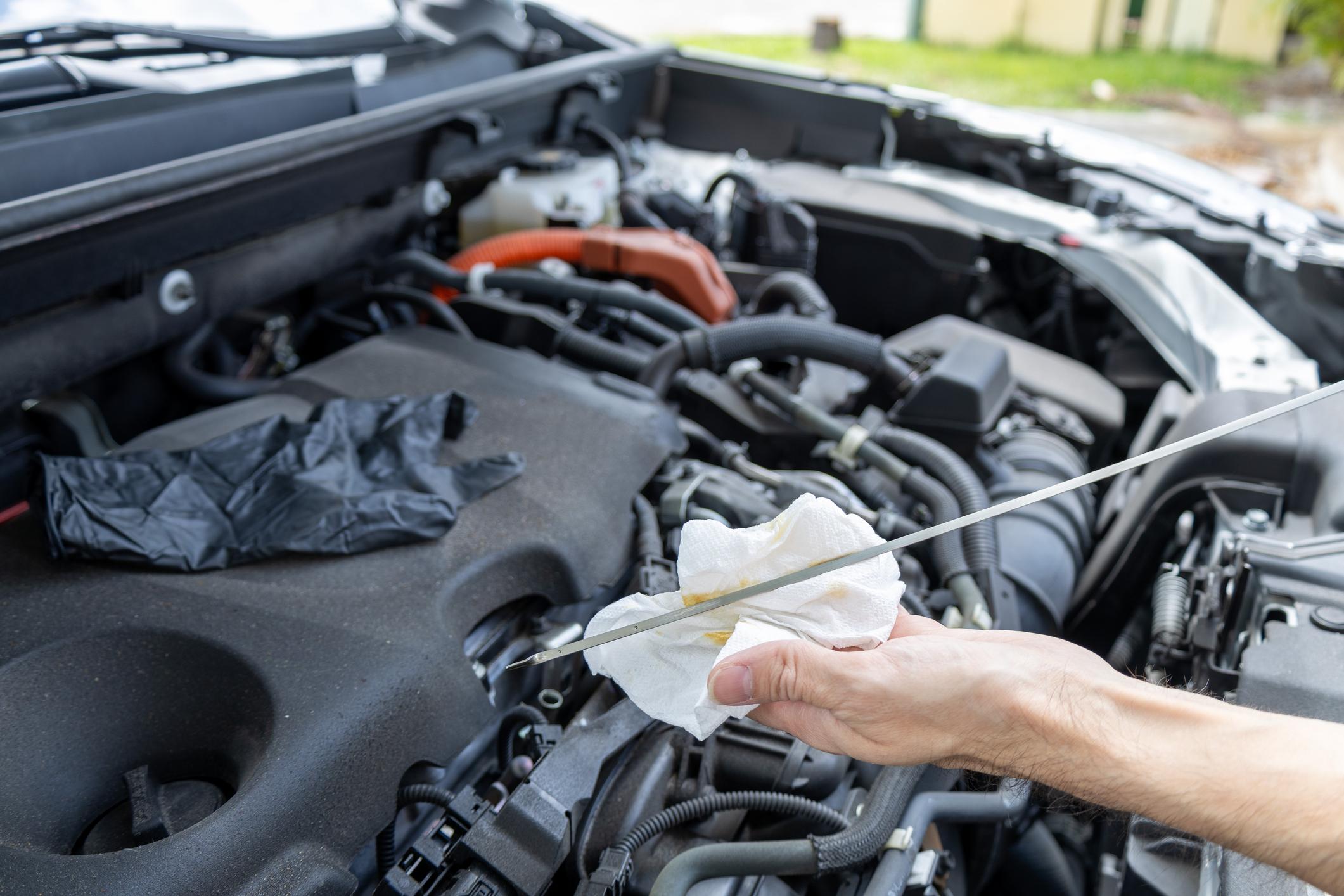
Engine oil is responsible for lubricating internal engine components, reducing friction, and carrying away heat. Winter driving can contaminate engine oil more quickly because engines often run richer during cold starts and may not reach full operating temperature during short trips.
In spring, you should:
- Check the oil level using the dipstick
- Look at the oil’s color and thickness
- Follow recommended oil change intervals
If your oil appears dark, gritty, or overdue for replacement, changing it in spring ensures the engine enters warmer months properly protected.
Coolant: Preparing for Rising Temperatures
Coolant (also called antifreeze) regulates engine temperature and prevents overheating. While coolant protects against freezing in winter, it must also function effectively in warmer temperatures.
Spring is a good time to:
- Inspect coolant level in the reservoir
- Look for leaks or residue around hoses and connections
- Verify the coolant mixture is correct
A properly maintained cooling system prevents overheating during summer driving, especially in traffic or on long trips.
Brake Fluid: Maintaining Reliable Stopping Power
Brake fluid is essential for transferring pressure from the brake pedal to the braking components at the wheels. Over time, brake fluid absorbs moisture from the air, which can reduce braking efficiency and lead to corrosion within the system.
After winter driving:
- Check brake fluid levels
- Look for cloudy or dark fluid
- Pay attention to any spongy brake pedal feel
Replacing contaminated brake fluid restores proper braking performance and helps protect internal brake components.
Transmission Fluid: Protecting Smooth Operation
Transmission fluid lubricates gears, manages heat, and ensures smooth shifting. Cold weather can cause transmission fluid to thicken temporarily, and winter driving conditions can increase strain on the transmission.
Spring inspection should include:
- Checking transmission fluid level (if accessible)
- Looking for discoloration or burnt odor
- Monitoring shifting performance
If shifting has become rough or delayed, it may indicate the need for transmission fluid service.
Power Steering Fluid: Ensuring Responsive Handling
Power steering systems rely on hydraulic pressure generated by power steering fluid. Over time, fluid can degrade or leak, reducing steering assistance.
During a spring inspection:
- Verify the fluid level in the reservoir
- Check for whining noises when turning the steering wheel
- Inspect hoses and seals for leaks
Maintaining power steering fluid helps ensure smooth steering and predictable handling.
Windshield Washer Fluid: Visibility Matters
Winter road grime, salt, and slush can quickly empty your windshield washer reservoir. Spring is the perfect time to refill the reservoir and confirm the system is working properly.
Be sure to:
- Refill washer fluid with a quality formula
- Check spray nozzles for proper operation
- Replace worn wiper blades if needed
Clear visibility remains essential for safe driving in every season.
Small Maintenance That Prevents Big Repairs
Fluid maintenance is often overlooked because it seems simple, but these fluids are the lifeblood of your vehicle’s most important systems. Neglecting them allows wear, overheating, and corrosion to develop over time.
Performing spring fluid changes for your car ensures your engine, transmission, brakes, and steering systems continue operating smoothly as temperatures rise.
With just a little attention each spring, you can extend the life of your vehicle and enjoy a safer, more reliable driving season.